Sustainable Practices in the Manufacturing of Hydraulic Components
The Importance of Sustainability in Hydraulic Component Manufacturing
Understanding Hydraulic Systems and Their Impact on the Environment
Hydraulic systems play a crucial role in various industries, powering machinery in construction, manufacturing, and automotive applications. These systems rely on hydraulic fluids and components, including hydraulic machined parts, to operate efficiently. However, the environmental impact of hydraulic systems cannot be overlooked. Traditional manufacturing processes for hydraulic components often lead to significant waste and energy consumption, contributing to greenhouse gas emissions and environmental degradation.
As industries increasingly recognize their carbon footprint, sustainable practices in hydraulic component manufacturing become essential. Implementing eco-friendly methods not only mitigates environmental harm but also enhances operational efficiency. By focusing on sustainability, manufacturers can reduce waste, lower energy usage, and minimize harmful emissions. This shift is not merely a trend; it represents a necessary evolution in hydraulic component manufacturing. Prioritizing environmental sustainability helps manufacturers align with global efforts to combat climate change while also appealing to a growing consumer base that values eco-conscious products.
The Role of Hydraulic Machined Parts in Sustainable Practices
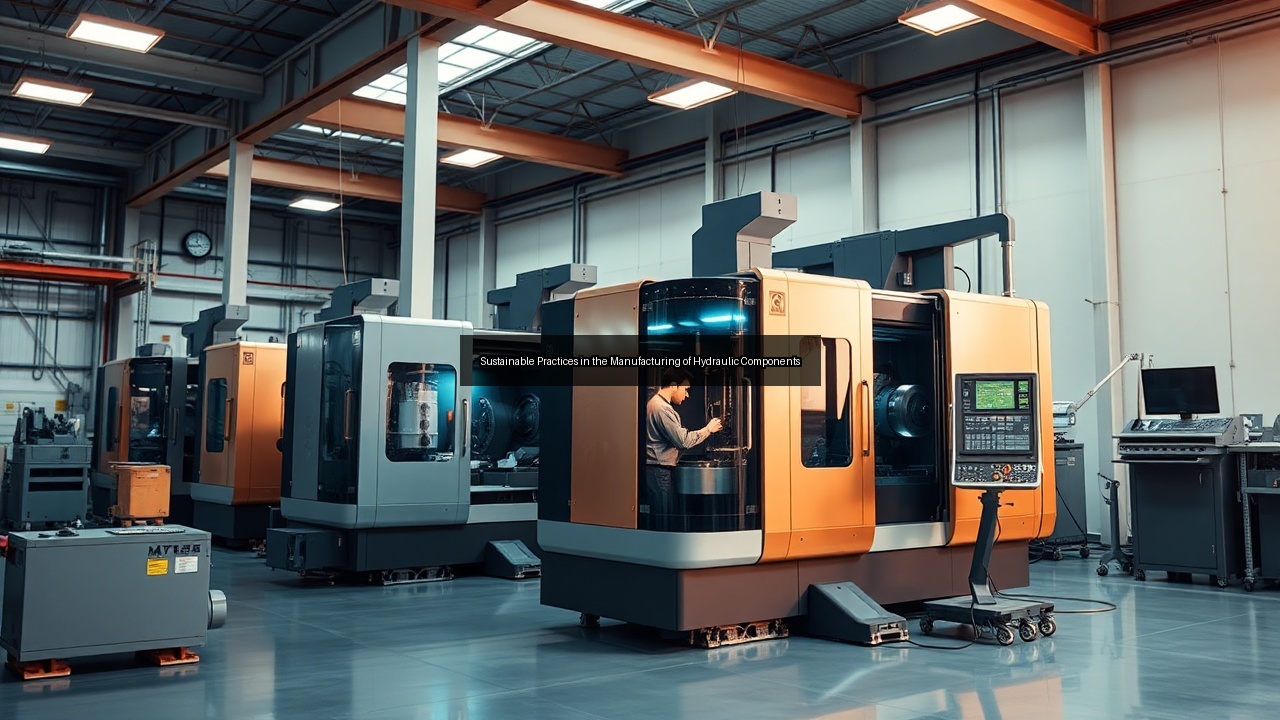
Hydraulic machined parts serve as the backbone of hydraulic systems. Their precision and quality are vital for ensuring system efficiency and longevity. Manufacturers must adopt sustainable practices to produce these components effectively. This includes sourcing materials responsibly, utilizing energy-efficient machinery such as CNC lathes, and incorporating advanced machining techniques that minimize waste. By focusing on the sustainability of hydraulic machined parts, manufacturers can reduce their overall environmental impact while maintaining high-quality standards.
Furthermore, the use of durable materials in the production of hydraulic components can significantly extend product life cycles. This durability reduces the frequency of replacements, leading to less waste and lower resource consumption over time. Manufacturers benefit from this approach through cost savings and improved competitiveness in the marketplace. Sustainable practices not only enhance the reputation of hydraulic parts manufacturers but also foster innovation in hydraulic system design, allowing for more efficient and environmentally friendly solutions.
Benefits of Sustainable Manufacturing for Hydraulic Parts Manufacturers
Embracing sustainable manufacturing practices brings numerous advantages for hydraulic parts manufacturers. First, it leads to operational efficiencies that enhance productivity. Techniques like CNC machining and advanced milling reduce material waste and energy consumption, translating into cost savings. Lower operational costs empower manufacturers to invest in research and development, leading to innovative solutions in hydraulic technology.
Secondly, sustainability initiatives can enhance a manufacturer’s brand image and customer loyalty. As consumers become more environmentally conscious, they are more likely to favor companies with strong sustainability commitments. Manufacturers that prioritize eco-friendly practices can differentiate themselves in a competitive market, attracting clients who value responsible sourcing and production methods.
Lastly, compliance with increasingly stringent environmental regulations is another critical benefit. Governments worldwide are introducing policies that encourage sustainable practices. By proactively adopting these measures, hydraulic parts manufacturers can avoid potential penalties and disruptions, ensuring a more stable business model. Overall, the transition to sustainable manufacturing not only fulfills environmental responsibilities but also paves the way for long-term economic success.
Sustainable Practices in the Production of Hydraulic Machined Parts
Efficient Machining Techniques: CNC and Milling Innovations
Efficient machining techniques, such as CNC (Computer Numerical Control) machining, have revolutionized the production of hydraulic machined parts. CNC machining allows for high precision and repeatability, which are crucial in producing parts that meet stringent quality standards. These advanced techniques minimize material waste by optimizing cutting paths and reducing the cycle time for each component. Manufacturers leveraging CNC and milling innovations can produce hydraulic components more efficiently, translating into lower energy consumption and reduced environmental impact.
In addition to energy savings, these technologies enhance the versatility of manufacturing processes. CNC machines can handle various materials and complex geometries, allowing manufacturers to adapt quickly to changing market demands without significant waste. This flexibility supports sustainable practices by reducing the need for multiple machines and processes, streamlining production lines while maintaining high-quality assurance standards.
Moreover, the integration of automation and smart technologies in CNC machining further enhances efficiency. Real-time monitoring and data analysis allow manufacturers to optimize processes continuously, identifying areas for improvement and ensuring that resource use aligns with sustainability goals. By investing in these innovative machining techniques, manufacturers not only produce high-quality hydraulic parts but also significantly contribute to a more sustainable future in hydraulic component manufacturing.
Quality Assurance in Sustainable Manufacturing
Quality assurance plays a pivotal role in sustainable manufacturing, particularly for hydraulic machined parts. Ensuring that every component meets precise specifications is crucial for maintaining system efficiency and safety. Manufacturers must integrate quality control measures throughout the production process to achieve this goal. Implementing stringent quality assurance protocols helps minimize defects and waste, reinforcing the commitment to sustainability.
One effective approach to quality assurance involves the use of advanced testing technologies. Non-destructive testing methods and automated inspection systems can detect flaws without compromising the integrity of the hydraulic machined parts. These technologies not only enhance product reliability but also reduce resource waste associated with rework or scrapped components.
Furthermore, fostering a culture of quality among employees is essential. Training programs that emphasize the importance of sustainability and quality assurance can empower workers to take ownership of their processes. When employees understand how their work contributes to the overall sustainability goals of the company, they are more likely to engage in practices that enhance quality and efficiency. As a result, manufacturers can achieve higher standards in hydraulic parts production while adhering to sustainable practices.
Case Studies: FZE Manufacturing Solutions and Hogge Precision
Examining successful case studies highlights the practical implementation of sustainable practices in hydraulic component manufacturing. FZE Manufacturing Solutions exemplifies a commitment to quality and sustainability. By integrating CNC machining and advanced milling techniques, FZE has reduced waste generation and energy consumption significantly. Their focus on continuous improvement and innovation has allowed them to produce high-quality hydraulic machined parts while maintaining a minimal environmental footprint.
Hogge Precision also showcases how sustainable practices can lead to operational success. This manufacturer emphasizes responsible sourcing of materials and employs rigorous quality assurance processes. By prioritizing eco-friendly practices, Hogge Precision not only meets client demands for high-quality products but also enhances their brand reputation. Their commitment to sustainability resonates with clients, establishing long-term partnerships and driving growth in a competitive market.
These case studies illustrate that sustainable manufacturing practices in hydraulic components are not just theoretical concepts but practical realities. By adopting innovative machining techniques and maintaining strict quality assurance, FZE Manufacturing Solutions and Hogge Precision demonstrate how manufacturers can thrive while prioritizing environmental responsibility.
Challenges and Solutions in Sustainable Hydraulic Parts Manufacturing
Addressing Waste and Energy Consumption in Hydraulic Machining
Despite the clear benefits of sustainable practices, hydraulic parts manufacturers face significant challenges in addressing waste and energy consumption. Traditional manufacturing processes often generate excessive scrap material and require substantial energy input, leading to inefficiencies. Identifying and mitigating these issues is essential for moving towards more sustainable hydraulic machining practices.
One effective solution involves adopting lean manufacturing principles. By streamlining processes and eliminating non-value-added activities, manufacturers can minimize waste and reduce energy consumption. Implementing just-in-time production techniques further decreases inventory waste, ensuring that materials are used efficiently and effectively. These strategies not only improve sustainability but also enhance overall operational efficiency.
Investing in energy-efficient machinery is another critical step. Modern CNC machines and milling equipment are designed to consume less energy while maintaining high performance. Upgrading to these technologies aligns with sustainability goals and can lead to significant cost savings over time. Furthermore, manufacturers can explore renewable energy sources to power their operations, further reducing their carbon footprint.
Collaborative Efforts: McCormick Industries' Approach to Sustainability
Collaboration serves as a powerful tool in overcoming sustainability challenges in hydraulic parts manufacturing. McCormick Industries exemplifies this approach by partnering with suppliers, customers, and industry organizations to promote sustainable practices. By fostering a collaborative network, McCormick Industries shares best practices and resources, driving innovation in hydraulic component manufacturing.
This collaborative effort emphasizes transparency in sourcing materials and production processes. By working closely with suppliers to ensure responsible sourcing, McCormick Industries reduces the environmental impact associated with raw material extraction and processing. Additionally, engaging customers in sustainability initiatives helps raise awareness and encourages responsible product use, creating a cycle of sustainability that extends beyond manufacturing.
Moreover, McCormick Industries actively participates in industry forums and conferences, contributing to the collective knowledge on sustainable practices. Their commitment to collaboration not only enhances their internal processes but also inspires other manufacturers to prioritize sustainability, creating a ripple effect throughout the hydraulic components industry.
The Future of Eco-Friendly Practices in Hydraulic Manufacturing
The future of hydraulic parts manufacturing lies in the continued evolution of eco-friendly practices. As technology advances, manufacturers can anticipate even greater efficiencies and reductions in environmental impact. Innovations in materials science, such as biodegradable hydraulic fluids and recyclable components, will further enhance sustainability in hydraulic systems.
Moreover, the integration of digital technologies, including IoT and AI, will transform how manufacturers approach sustainability. Real-time data analysis will enable manufacturers to optimize production processes continuously, identifying inefficiencies and implementing immediate improvements. This adaptive approach ensures that sustainability remains a dynamic aspect of manufacturing, rather than a static goal.
Collaboration across the industry remains vital for driving sustainable practices forward. As manufacturers share knowledge and resources, the entire hydraulic components market can evolve towards more eco-friendly solutions. The commitment to sustainability will not only benefit manufacturers through operational efficiencies but will also contribute to a healthier planet for future generations.
See Also
- Innovative Materials in the Production of Hydraulic Machined Parts
- FZE Manufacturing Solutions Revolutionizing Hydraulic Machining
- How Hogge Precision is Redefining Hydraulic Machined Components
- Why Your Hydraulic Systems Need Precision Machined Parts Today
- Efficiency Hacks for Hydraulic Systems Through Superior Machining