How Compression Molded Plastics are Revolutionizing the Food and Beverage Industry

Introduction to Compression Molded Plastics in the Food and Beverage Industry
Overview of Compression Molding
Compression molding delivers precise plastic components through heat and pressure applied directly to raw material inside a compression mold. This fabrication method suits large, durable parts that demand consistent wall thickness and structural integrity. Food and beverage manufacturers adopt compression molding processes because they produce reliable seals, closures, and containers that withstand repeated handling and temperature shifts. The technique minimizes material waste while allowing intricate design features that enhance product performance. Engineers often combine compression molds with reinforcing fibers to boost strength without adding bulk.
Compression molded parts appear in caps, trays, and valves that protect contents from contamination. This approach supports high-volume production runs with repeatable quality, giving processors confidence in every batch. Modern compression molding services integrate automated presses that monitor pressure and temperature in real time, ensuring each cycle meets strict specifications. The result is hardware that performs reliably across demanding supply chains.
Importance of Plastics in Food Safety
Plastics engineered through compression molding create barriers that block oxygen, moisture, and microbes from reaching perishable goods. These materials meet FDA and EU regulations for direct food contact, reducing spoilage and extending shelf life. Compression molded plastics also resist cracking under refrigeration or microwave use, maintaining package integrity from factory to table. Manufacturers select food-grade resins that release no harmful substances during normal use or cleaning cycles.
Compression fitting designs further improve safety by forming tight, leak-proof connections in piping and dispensing systems. Such components prevent cross-contamination in processing plants. Traceability features molded directly into the plastic help auditors track material origins and production dates. Overall, these plastics support safer handling of beverages, dairy, and prepared meals while lowering recall risks.
The Compression Molding Process Explained
Steps in the Compression Molding Process
The compression molding process begins with precise weighing of thermoset or thermoplastic compounds. Workers place the measured charge into an open compression mold cavity, then close the press under controlled heat and force. Material flows to fill every detail before curing or cooling solidifies the part. Operators open the mold, eject the finished piece, and trim any flash. Quality checks verify dimensions and surface finish before packaging.
Each step relies on calibrated equipment that records cycle data for traceability. Preheating the charge reduces cure time and improves flow into complex geometries. Post-mold operations such as deflashing or secondary machining refine edges for critical sealing surfaces. Compression molding services maintain detailed process sheets so clients can replicate results across multiple production sites.
Comparison with Injection Molding
Compression molding differs from injection molding in material state and flow dynamics. Injection molding forces molten plastic through runners under high pressure, suiting small, intricate parts. Compression molding applies pressure to a solid or semi-solid charge already inside the cavity, producing larger items with fewer knit lines. Cycle times run longer, yet tooling costs drop because molds lack complex runner systems.
Plastic injection molding excels at high-speed output of thin-walled components, while compression molding creates thicker sections without sink marks. Manufacturers often choose compression molds when parts require embedded inserts or when resin viscosity prevents clean injection. Both methods deliver food-safe plastics, but compression molding services frequently handle specialty compounds that injection presses cannot process efficiently.
Advantages of Compression Molding for Food Packaging
Compression molding yields uniform wall thickness that prevents weak spots in containers and lids. The process accommodates large surface areas without requiring multiple gates, reducing potential leak paths. Parts emerge with excellent surface finish that accepts printing or labeling directly. Low internal stresses improve impact resistance during shipping and stacking.
Compression molded closures maintain consistent torque retention, ensuring tamper-evident bands function reliably. The method supports multi-material bonding, such as over-molding soft seals onto rigid bodies. Reduced scrap rates lower material costs for high-volume food and beverage lines. Compression molding services also offer rapid tooling changes, allowing quick switches between package sizes without extensive downtime.
Applications of Compression Molded Plastics
Food Packaging Solutions
Compression molded trays and clamshells protect fresh produce, meats, and baked goods during transport. These containers withstand stacking loads while allowing ventilation that preserves freshness. Manufacturers embed anti-microbial additives directly into the plastic matrix for added protection. Reusable totes produced via compression molding services replace single-use cardboard in many distribution centers.
Custom compression molds create compartments that separate ingredients and prevent cross-flavoring. The resulting packages stack efficiently on pallets, optimizing warehouse space. Color coding molded into the plastic aids quick identification on fast-moving lines. Food processors value the durability that lets these items survive hundreds of wash cycles in automated cleaning systems.
Innovative Uses in Beverage Containers
Compression molded caps and closures deliver precise thread engagement that prevents leaks in carbonated drinks and juices. Thick-walled jugs produced by this method resist denting during high-speed filling. Beverage companies incorporate tamper-evident rings and pour spouts formed in a single compression molding cycle. The technique supports lightweighting efforts that cut resin usage without sacrificing strength.
Specialty compression molds create ergonomic handles for large-format bottles used in food service. UV stabilizers added to the compound protect contents from light degradation. Compression molding services also produce decorative overcaps that enhance shelf appeal while maintaining functional seals. These innovations help brands differentiate products while meeting strict performance standards.
Medical Applications in Food and Beverage
Compression molded components appear in drug-dispensing systems that handle both medications and nutritional beverages. Precision o-ring grooves molded into plastic housings ensure leak-free connections in mixing equipment. Hospitals rely on compression molded trays that organize medications alongside meal supplements for patient care. The process creates rigid yet lightweight carriers that withstand sterilization.
Manufacturers embed RFID tags during molding for inventory tracking of sensitive formulations. Compression fitting adapters join tubing in automated feeding systems without metallic hardware that could corrode. These medical-grade plastics meet biocompatibility requirements while supporting the broader food and beverage ecosystem that delivers therapeutic nutrition products safely.
Choosing the Right Compression Molding Service
Factors to Consider in Molding Services
Selecting a compression molding service requires evaluating press tonnage, mold material options, and clean-room capabilities. Food and beverage clients need partners who maintain segregated production areas to avoid cross-contact with non-food resins. Turnaround time for prototype compression molds affects speed-to-market for new packaging formats. Service providers should demonstrate experience with FDA-compliant materials and documentation.
Volume capacity matters when scaling from pilot runs to full production. Technical support teams that assist with part design for manufacturability reduce costly revisions later. Compression molding services offering in-house material compounding give greater control over resin properties. Pricing structures that separate tooling from part costs help companies forecast expenses accurately across multi-year programs.
Evaluating Manufacturers for Quality
Quality-focused manufacturers maintain ISO certifications and conduct regular audits of compression molding processes. They provide first-article inspection reports and statistical process control data that verify dimensional stability. Traceability systems link each batch of compression molded parts to raw material lots and machine parameters. On-site metrology labs equipped with CMMs and optical comparators catch deviations early.
Reputation within the food and beverage sector signals reliability. References from similar clients confirm the manufacturer understands sanitation requirements and changeover protocols. Compression molding services that invest in employee training produce fewer defects and maintain consistent output. Long-term partnerships often yield continuous improvement projects that lower costs and enhance package performance.
The Role of Design in Compression Molding
Effective design for compression molding accounts for material flow, draft angles, and parting line placement. Engineers optimize wall thickness to balance strength against cycle time. Incorporating undercuts or threads requires careful planning of mold actions. Simulation software predicts knit lines and air traps before tooling begins, saving weeks of iteration.
Design teams collaborate with compression molding services to select resins that meet both mechanical and regulatory demands. Features such as living hinges or snap-fits must survive repeated flexing without failure. Surface textures molded directly into parts improve grip or aesthetics without secondary operations. Thorough design review ensures the final compression mold delivers parts that perform reliably in demanding food and beverage environments.
Future Trends in Compression Molded Plastics
Sustainability and Eco-Friendly Practices
Compression molding services increasingly incorporate recycled and bio-based resins that maintain food-contact compliance. Closed-loop systems capture and reprocess internal scrap, reducing landfill contributions. Lightweighting through optimized design cuts material use and transportation emissions. Compostable formulations under development target single-use applications while preserving barrier properties.
Manufacturers explore natural fiber reinforcements that lower carbon footprints without sacrificing durability. Water-based release agents replace solvent systems in many facilities. These practices align with retailer sustainability scorecards that food and beverage brands must meet. Compression molded packaging produced with these methods helps companies achieve circular economy goals.
Technological Advancements in Molding Techniques
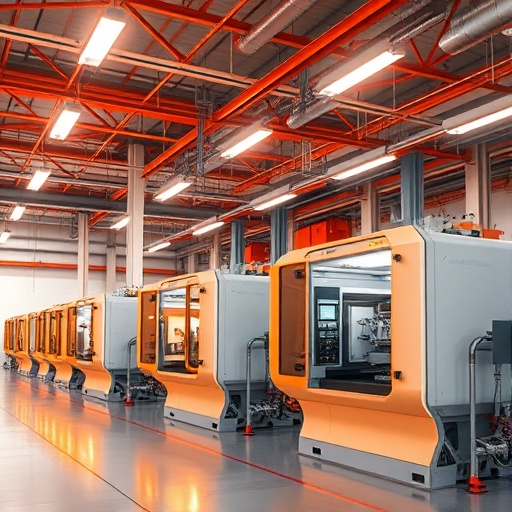
Smart sensors embedded in compression molds transmit real-time data on cavity pressure and temperature. Artificial intelligence algorithms adjust press parameters automatically to maintain quality across resin lot variations. Additive manufacturing of mold inserts accelerates tooling lead times from weeks to days. Multi-station rotary presses increase throughput while preserving the advantages of compression molding processes.
Hybrid systems combine compression and injection stages for complex multi-material parts. Advanced surface treatments on mold cavities extend tool life and improve release of sticky food-grade compounds. Compression molding services adopting these technologies deliver higher precision and faster response to market changes in packaging requirements.
Impact on Food and Beverage Supply Chains
Standardized compression molded containers improve pallet density and reduce damage rates during long-haul shipping. Reusable totes tracked via molded-in identifiers streamline reverse logistics. Faster tooling changes let producers respond quickly to seasonal demand shifts without excess inventory. These efficiencies lower overall supply chain costs while maintaining product safety.
Compression molding services located near major food hubs shorten lead times and support just-in-time delivery models. Consistent part quality reduces line stoppages at filling plants. As global regulations tighten, traceable compression molded plastics help brands demonstrate compliance across borders. The technology continues to reshape how food and beverage companies package, transport, and protect their products.
See Also
- Maximizing Quality and Cost Efficiency with Professional Compression Molding Services
- Top Benefits of Utilizing Compression Molding Services for Custom Plastic Solutions
- Understanding the Compression Molding Process for Optimal Product Development
- Exploring the Versatility of Compression Molding in O-Ring Production